Introduction to the Fundamentals of Neuroscience and Brain Signal Technologies
Neuroscience is the study of the nervous system, focusing on the brain and its complex network of neurons. Understanding how the brain works is essential for developing technologies that interact with or mimic neural processes, especially in fields like robotics and cobotics.

Figure 1: Anatomy of the human brain showing regions commonly targeted by neuroimaging techniques for different functions.
How Brain Technologies Work
Modern neuroscience leverages various technologies to observe, record, and interpret brain activity. These technologies translate electrical and chemical signals generated by neurons into data that can be analyzed and used for applications such as brain-computer interfaces (BCIs).
Key Technologies in Neuroscience
- Electroencephalography (EEG): Measures electrical activity on the scalp, reflecting the collective firing of neurons. EEG is non-invasive and widely used for real-time monitoring.
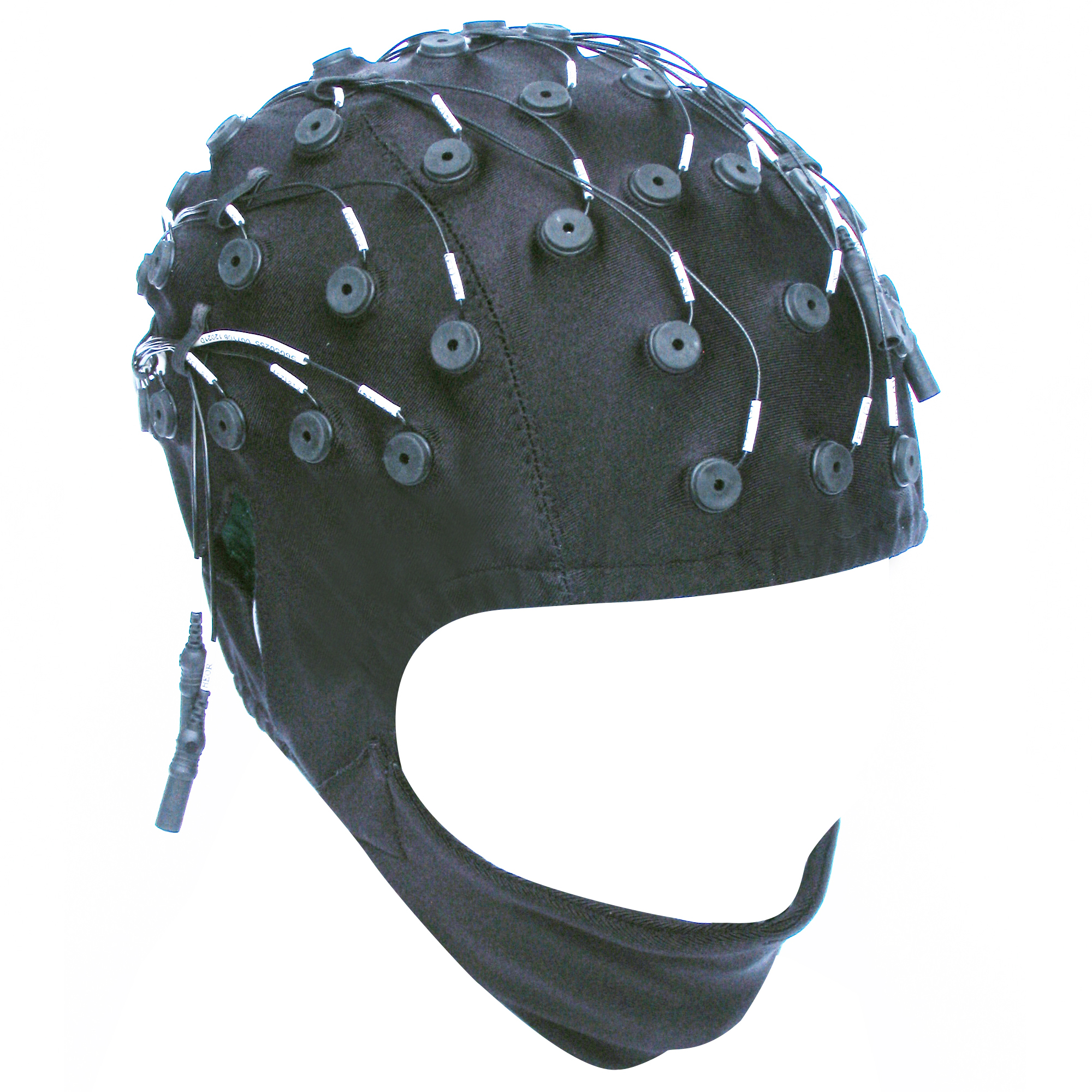
Figure 2: EEG setup for recording electrical activity from the brain surface.
- Magnetoencephalography (MEG): Detects magnetic fields produced by neural activity, offering high temporal resolution.
- Functional Magnetic Resonance Imaging (fMRI): Tracks changes in blood flow, indicating active brain regions during specific tasks.

Figure 3: fMRI image highlighting motor cortex activation during motor execution.
- Near-Infrared Spectroscopy (NIRS): Uses light to measure blood oxygenation, providing insights into brain activity.
- Implantable Electrodes: Used in research and clinical settings for direct measurement of neural signals within the brain.
Detecting Brain Signals
Neurons communicate through electrical impulses called action potentials. When groups of neurons activate, they generate detectable signals. Technologies like EEG and MEG capture these signals externally, while implantable electrodes provide more precise data from within the brain.
Signal Processing
Raw brain signals are complex and noisy. Advanced algorithms filter and interpret these signals, extracting meaningful patterns related to movement, thought, or emotion. This processed data can then be used to control devices, such as robotic arms or cobots, enabling direct interaction between the brain and technology.
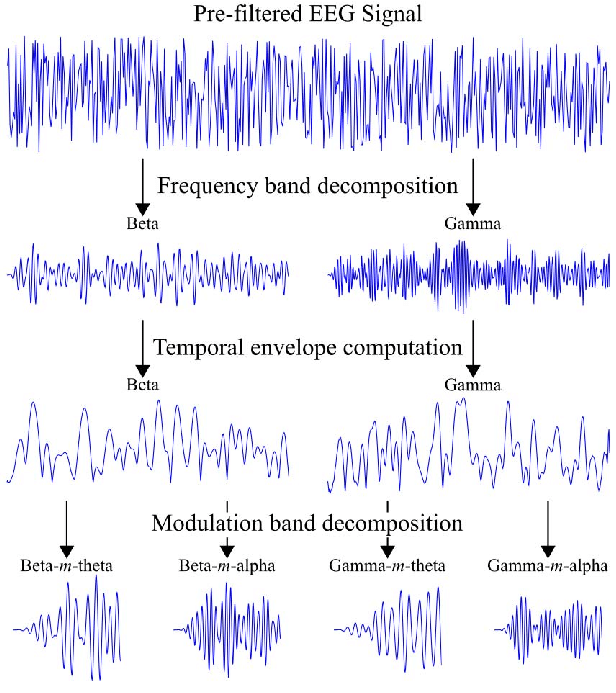
Figure 4: Processed EEG signals.
Applications in Cobots
By integrating neuroscience technologies with cobots, we can create systems that respond to human intent, adapt to user needs, and enhance collaboration. This fusion opens new possibilities for assistive devices, rehabilitation, and human-robot interaction.